Machine translation has become so good that many teams now ask a different question from the one they asked five years ago. They no longer wonder whether to use it, but where it fits and who should check the result. The answer is rarely all or nothing. The most reliable approach is to place a machine translation tool inside a CAT editor, where drafts, translation memory, glossaries and human reviewers work in the same environment.
Why a standalone engine is not enough
Pasting text into a free web engine is quick, but it leaves many problems unsolved. Formatting is lost, terminology is ignored, previous translations are not reused and there is no record of what was changed. Sensitive text may also leave your control. When the output is copied back into a document by hand, mistakes creep in, and nobody can say afterwards which sentences were produced by a machine and which by a person.
Bringing the engine into the editor
When a machine translation tool is connected to the editor, each segment can show suggestions from several sources. The translation memory offers earlier human translations, the glossary highlights approved terms and the engine proposes a fresh draft where nothing similar exists. The translator sees all of this at once and decides which version to use, or whether to rewrite the sentence entirely.
The order of priority
A sensible rule is that human work comes first. A perfect memory match should always win over a machine draft, because it has already been checked and approved. A fuzzy match may still be better than a draft if it is close enough. The engine fills the gaps. Setting this order in the system prevents the situation in which a machine guess replaces a sentence that was carefully approved last year.
Choosing what to machine translate
Not all content deserves the same treatment. Internal documents, support articles, product descriptions and logs are often good candidates, particularly when speed matters more than style. Marketing slogans, legal contracts, safety instructions and anything sensitive to tone should be handled by people, using the engine at most as an optional suggestion. A clear policy by content type saves arguments later.
Post-editing as a skill
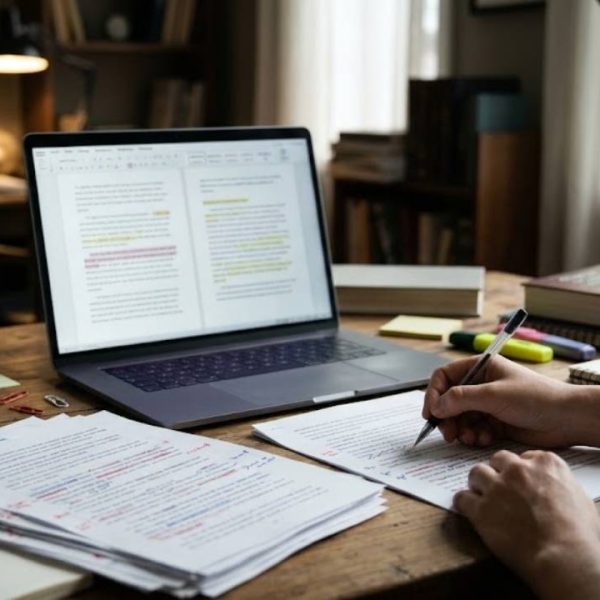
Correcting a machine draft is a different skill from translating from scratch. The editor must spot subtle errors, such as a wrong term, a lost negation or an unnatural phrase, even when the sentence looks fluent. Training matters, and so does fair pay and time allowance. A good system supports the process by highlighting differences between draft and final text, which helps reviewers see what changed and provides data for improving the setup.
Handling files before translation
Many source documents arrive as fixed-layout files, and engines cannot read text that is trapped in an image. Preparing files properly is part of any serious workflow, and a practical guide to PDF translation shows how to extract text, keep the layout and check the result. Good preparation improves the quality of the draft and reduces the amount of editing required.
Measuring quality and productivity
To know whether machine translation helps, measure it. Track how much time editors spend per page, how many corrections they make and how often reviewers find serious errors. Compare these numbers by engine, language and content type. You may find that one engine suits one language pair better than another, or that a certain type of text is not worth sending through the engine at all.
Language and technical foundations
Machines deal badly with text that is poorly structured, so good source writing and technical preparation matter. Guidance on language tagging, character encoding and text direction is available from the W3C internationalization pages, which are helpful for teams that publish web content in many languages. Clean markup and correct language codes make it easier for tools to process text correctly.
Confidentiality and control
Before connecting any engine, check how it handles your data. Does it store text, use it for training or keep it only for the duration of the request? Many organisations require contractual guarantees, and some prefer to limit machine translation to non-sensitive material. A platform with access roles and logs lets you prove which content was sent where.
Glossaries and style rules
Engines do not know your house style unless you tell them. Many systems let you attach a glossary so that approved terms are enforced in the draft, and some let you add instructions about tone or formality. Keep these resources short and clear. A list of forty carefully chosen terms and a one-page style guide will improve both machine drafts and human work more than a long document nobody reads.
A simple rollout plan
Start with one content type and one language pair. Set the priority order, run a month of real work and compare results with the old process. Ask translators for honest feedback and adjust the settings accordingly. Only then widen the scope. Gradual adoption builds trust, and it reveals problems while they are still small.
Final thoughts
Machine translation is neither a miracle nor a threat. Used inside a CAT editor with memory, glossaries and human review, it becomes one more source of suggestions that skilled people can accept or reject. The teams that benefit most are those that define clear rules, measure results and keep humans responsible for the final text.