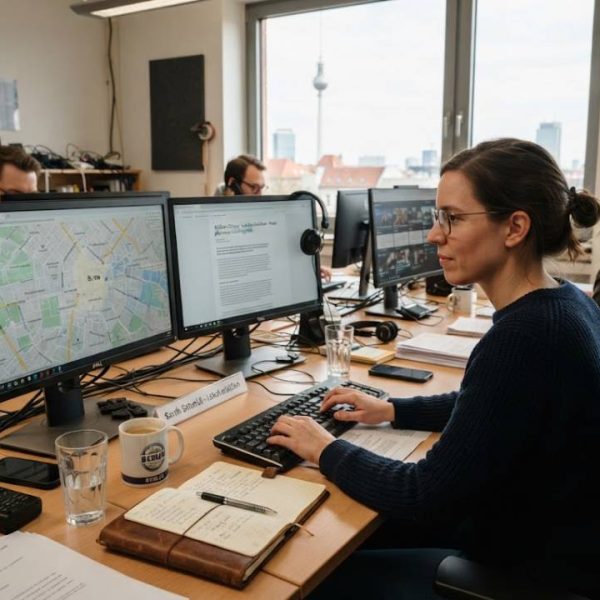

The kitchen table has quietly become one of the most common places to launch a company. Rising rents, flexible technology and a generation comfortable working online have all pushed people to look closer to home. If you have been searching for small business ideas from home that can actually pay the bills, the good news is that the options have never been broader, and many of them need very little money to start.
What follows is not a fantasy list of overnight riches. It is a practical look at the kinds of home businesses that real people are running today, along with what it takes to make each one work.
Why home-based businesses keep growing
Two forces are driving the shift. The first is cost. Skipping a storefront or office removes the single largest expense most new ventures face, which means you can test an idea without betting your savings on rent. The second is reach. A laptop and a decent internet connection now give a one-person operation access to customers far beyond the local high street. A business that begins in a spare bedroom can serve clients in another country by the end of its first year.
The best small business ideas from home
Service businesses tend to be the easiest to start because they trade on what you already know. Bookkeeping, virtual assistance, copywriting, tutoring and social media management all require little more than a computer and a clear set of skills. Product-based ideas take a little more planning. Handmade goods, candles, baked treats and print-on-demand designs all sell well online, though you will need to think about packaging, postage and the rules that apply to selling food or cosmetics.
Among the most successful small business ideas are those that solve a recurring problem for a specific group of people. A narrow focus, such as résumé editing for nurses or web design for restaurants, is far easier to market than a vague promise to help everyone.
Turning a single skill into steady income
You do not need a sweeping business plan to begin. Many thriving home businesses started as a side project that grew. Photography, translation, fitness coaching and online courses are popular precisely because they let you start small, keep your day job and scale up only when demand is real. Plenty of small business ideas for women and men alike begin this way, with a few paying clients found through word of mouth before any money is spent on advertising. Many factories treat industrial water treatment as a core part of their maintenance strategy.
The key is to charge properly from the start. Underpricing to win early work is tempting, but it sets an expectation that is hard to undo and quietly burns you out.
Every one of these ideas eventually runs into the same unglamorous question, which is how you take money from a customer without giving too much of it away. Card processing is usually the largest recurring cost a home business never thought to budget for, and the headline rate is rarely the whole story. Getting clear on payment processing fees early is one of the cheapest ways to protect a thin margin.
From a spare room to a global audience
One advantage of building online is that geography stops being a limit. A handmade jewellery shop or a digital course can find buyers anywhere, provided the website speaks their language. This is where many small operators stumble. Translating a few headlines is rarely enough, and a clumsy machine translation can do real harm to a brand. A useful starting point is learning how to build localized landing pages that actually work, so that a foreign visitor feels the page was written for them rather than run through software.
What to sort out before you start
Enthusiasm is not a substitute for the basics. Register your business properly, keep personal and business money in separate accounts, and set aside something for tax from day one. It also pays to understand the broader category you are entering. A clear overview of what counts as a small business and how these firms are defined will help you find the grants, rules and support aimed at companies your size.
Talking to people who have already done it is just as valuable. Online communities such as the r/smallbusiness forum on Reddit are full of candid stories about pricing, difficult customers and the mistakes worth avoiding, often more honest than any polished guide.
Low-cost ideas worth a closer look
If your budget is tight, a few categories stand out for needing almost nothing to launch. Reselling, where you source discounted or vintage items and list them online, can begin with a single box of stock. Digital products, such as templates, printables and short guides, cost nothing to reproduce once created, which makes them attractive for anyone with a particular expertise. Local services like cleaning, gardening, pet care and small repairs rely on word of mouth and a phone rather than a website, and they remain in steady demand whatever the economy is doing. The lesson across all of these is the same: start with what you can offer immediately, prove there is paying demand, and only then spend on equipment or marketing.
Starting small, thinking long
The businesses that last are rarely the flashiest. They are the ones built patiently, by people who tested an idea cheaply, listened to early customers and reinvested their first profits instead of spending them. A home is a perfectly respectable place to begin. Some of the most recognised companies in the world started in garages, kitchens and spare rooms, and the tools available today make that path easier than ever. Pick one idea that fits your skills, give it a proper trial, and let the results, rather than the hype, tell you when it is time to grow.